
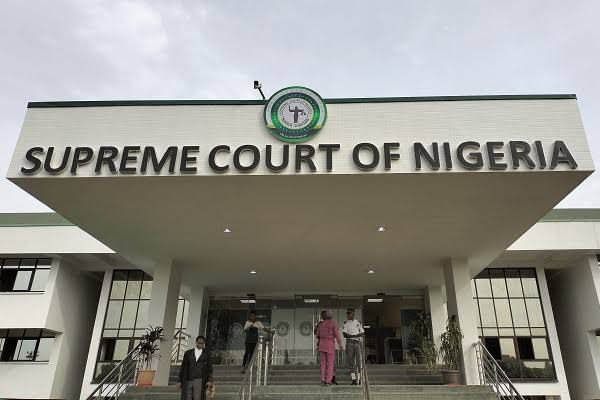
Abuja, Nigeria — Jungle-Journalist.Com
In a case that has stunned the world and ignited fierce debate over freedom of expression, the Nigerian Supreme Court is set to hear the appeal of Yahaya Sharif-Aminu, a young musician sentenced to death by a Sharia court in Kano State — all because of a WhatsApp message.
Yes, you heard that right. A WhatsApp message.
🎶 The Song That Sparked a Storm
Sharif-Aminu, a Sufi gospel singer, was convicted in 2020 for allegedly composing and sharing song lyrics on WhatsApp that were deemed blasphemous against the Prophet Muhammad. The lyrics, according to prosecutors, elevated a revered Sufi imam above the Prophet — a move that triggered outrage among conservative Islamic groups in northern Nigeria.
He was tried under Kano’s strict Sharia penal code and sentenced to death by hanging.
🧑⚖️ Legal Battle Reaches Nigeria’s Highest Court
After years of legal wrangling and global outcry, the Supreme Court has now agreed to hear Sharif-Aminu’s appeal. His lawyers argue that the conviction violates his constitutional rights to freedom of thought, conscience, and expression — rights enshrined in Nigeria’s secular constitution.
Human rights organizations, including Amnesty International, have condemned the sentence as a gross violation of international law and a chilling example of religious extremism overriding basic human rights.
🌍 Global Spotlight on Nigeria
The case has drawn international attention, with artists, activists, and legal scholars calling for urgent reform of blasphemy laws in Nigeria. Critics say the punishment is not only disproportionate but also dangerous in a country that claims to uphold democratic values.
“This is not just about one man. It’s about the soul of Nigeria,” said one activist outside the court in Abuja. “Are we a nation of laws or a nation of fear?”
🕊️ What’s Next?
The Supreme Court’s decision could set a precedent for how religious law interacts with civil liberties in Nigeria. For Sharif-Aminu, it’s a fight for his life. For the rest of us, it’s a moment to reflect on the cost of silence, the power of words, and the urgent need to protect artistic freedom.