
By Solomon Osuokam Ogbeh
Education should power a nation forward. But in Nigeria, our schools are chained to hardcopy textbooks—outdated, overpriced, and irrelevant before they even reach the classroom. While the world races into the digital age, Nigerian students are left struggling under the weight of paper that belongs in another century.
📚 Learning With Yesterday’s Knowledge
Hardcopy textbooks are expensive to produce, slow to update, and nearly obsolete by the time they arrive. In medicine, engineering, or IT, students are memorising ideas the world has already abandoned. No wonder Nigerian graduates abroad are often forced to retake exams—not for lack of brilliance, but because they were armed with yesterday’s knowledge.
🌍 The World Has Moved On—Why Haven’t We?
In Finland, South Korea, and Canada, textbooks live in digital libraries, updated instantly and accessed on tablets. In Nigeria, a single book may be shared among four students, its diagrams blurred and its pages torn. While the world learns at the speed of Wi-Fi, our children are crawling at the pace of paper.
💰 The Price of Paper Is Inequality
Printed books deepen the gap between rich and poor. The wealthy import new editions or send their children abroad, while the poor struggle with local copies riddled with errors. The result? Two unequal education systems—one aligned with the world, another deliberately handicapping millions.
⚡ Excuses, Excuses—But Students Are Already Digital
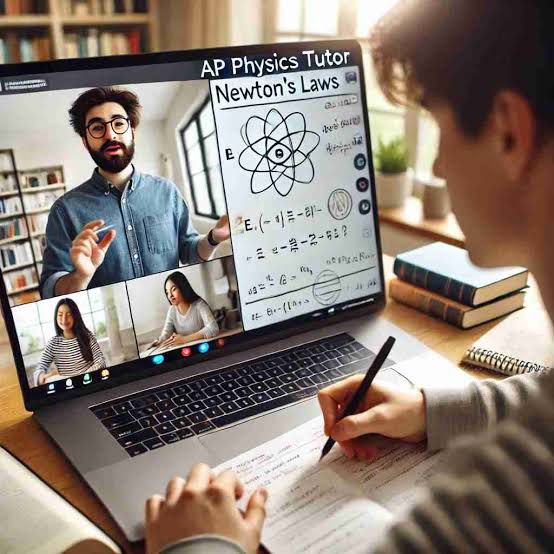
We are told Nigeria cannot go digital because power is unstable and internet access too low. These are excuses. Our youths already live online—streaming, chatting, learning from YouTube. If a child in a rural village can watch football highlights on a phone, why can’t that same child download a physics chapter? The issue is not capacity. It is political will.

🖥️ When a Virus Shut the World, We Shut Our Schools
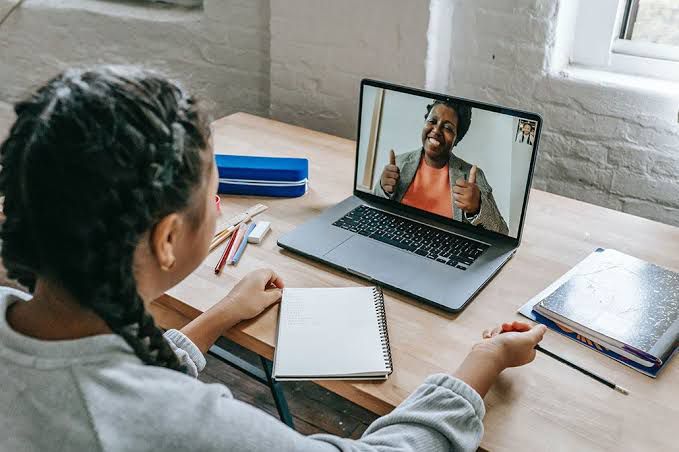
The COVID-19 pandemic revealed our weakness. While other countries moved classes online overnight, Nigerian students were stranded with photocopied notes. Our dependence on paper left millions cut off from learning. Digital tools are not luxury—they are survival.
🔒 Brilliant Minds, Broken Tools
Nigerian students are some of the brightest in the world. Yet doctors, nurses, and engineers trained here face humiliation abroad because their education is considered incomplete. They are tested again and again—not because they lack ability, but because their tools were broken from the start.
🚀 The Digital Leap We Refuse to Take
The global economy demands digital literacy. But a student trained only to copy notes from the blackboard is being prepared for a world that no longer exists. If Nigeria continues this way, we are producing graduates for unemployment.
What we need is clear:
- A national e-library accessible to every child.
- Subsidised tablets and devices.
- Teachers retrained to use technology.
- Publishers supported to create world-class e-books.
- Above all, the political will to stop recycling failure.
🔑 The Choice Before Nigeria
The future belongs to the digital. The world has crossed that bridge. Nigeria still lingers at the edge, clutching hardcopy textbooks like relics. If we refuse to let go, we will condemn yet another generation of brilliant children to failure that is not of their making.
It is time to break the chains of paper and let Nigerian education run at the speed of the digital age.
Solomon Osuokam Ogbeh
Academic, educational consultant, researcher, writer, and educational activist.
Writes from Benin City
This article is an abridged version of the original essay. It has been shortened for readability, with repetition removed, while the central ideas and message remain fully intact.