
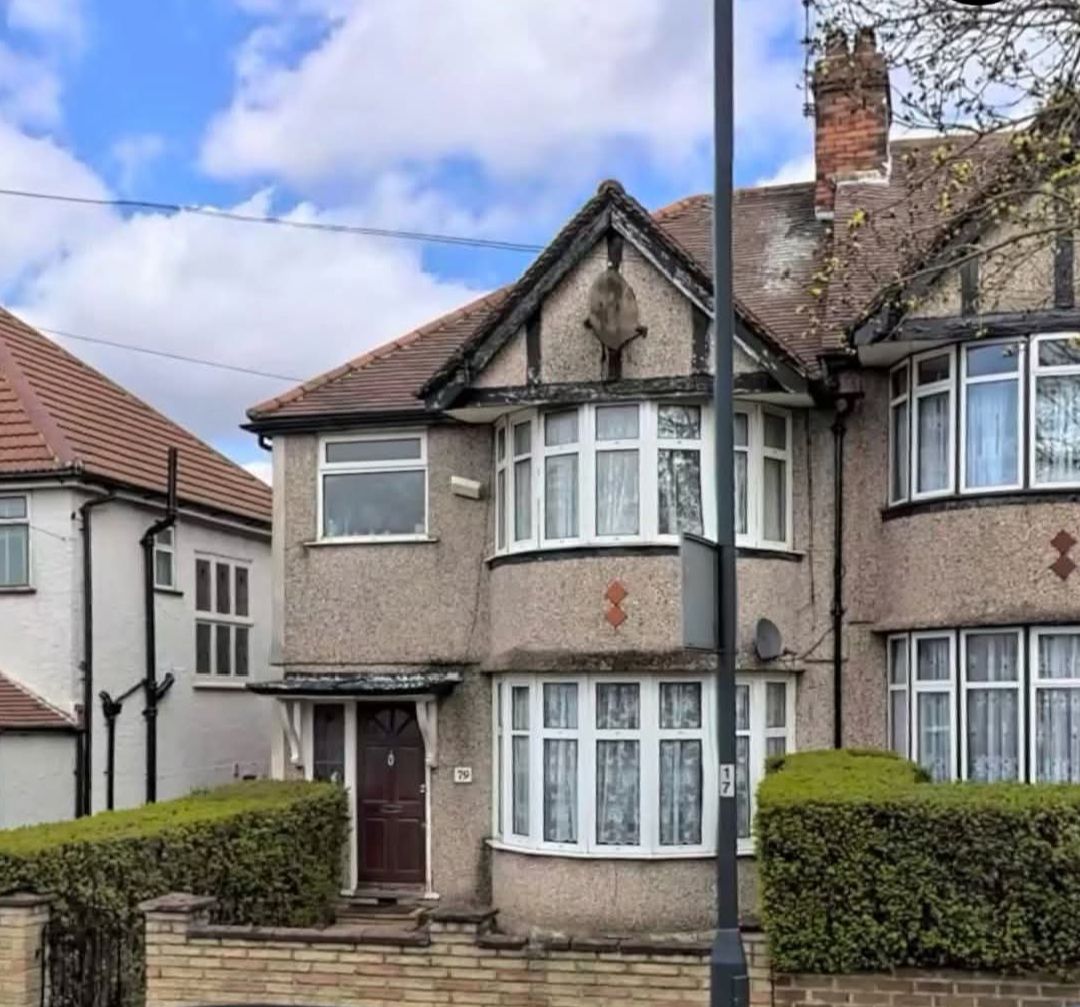
LONDON, UK — A London property dispute has uncovered a tangled web of fraud, fake identities, and high-profile names, including the late Nigerian General Jeremiah Timbut Useni (Rtd) and Senior Advocate Chief Mike Ozekhome. The case centers around a property at 79 Randall Avenue, Brent, where the true ownership has been shrouded in mystery for decades.
The Disputed Property
The saga began in 1993 when the property was registered under the name “Tali Shani.” Over the years, various individuals and entities have claimed ownership, leading to a tangled legal battle. The most recent claimant, Chief Mike Ozekhome, a Senior Advocate of Nigeria, sought to register the property in his name, asserting that it had been transferred to him as a gift in recognition of his legal services.
Unmasking the False Identities
The tribunal’s investigation revealed that both “Ms. Tali Shani” and “Mr. Tali Shani” were fictitious identities. Documents presented to support their claims were found to be fraudulent. For instance, a National Identification Number (NIN) purportedly issued to “Ms. Shani” was traced back to a solicitor in Lagos, Mohammed Edewor, who was connected to Ozekhome’s legal team. Further inquiries revealed that the address associated with the NIN did not exist.
The Role of General Useni
The turning point in the case came when General Useni, who had passed away in January 2025, provided testimony via video link. He admitted to purchasing the property in 1993 under the alias “Philips Bincan” and later registering it under the false name “Tali Shani.” His testimony was corroborated by documents and records from Jersey, where Useni had a history of using false identities to conceal assets.
The Court’s Ruling
In its judgment, the tribunal concluded that “Ms. Tali Shani” never existed and that the property was purchased by General Useni using a false identity. The tribunal dismissed Ozekhome’s application to register the property in his name, stating that the claims were based on fraudulent foundations. The court also noted that the case had been pursued in the name of a person who never existed, constituting an abuse of the judicial process.
Implications and Aftermath
With General Useni deceased, the ownership of the property now rests with his estate. The tribunal’s decision underscores the importance of due diligence and the potential for abuse in property transactions involving false identities and forged documents.
This case serves as a stark reminder of the complexities and challenges in property ownership disputes, particularly when intertwined with fraudulent activities and the use of fictitious identities.