
By Jungle-Journalist.Com Staff | Lagos, Nigeria
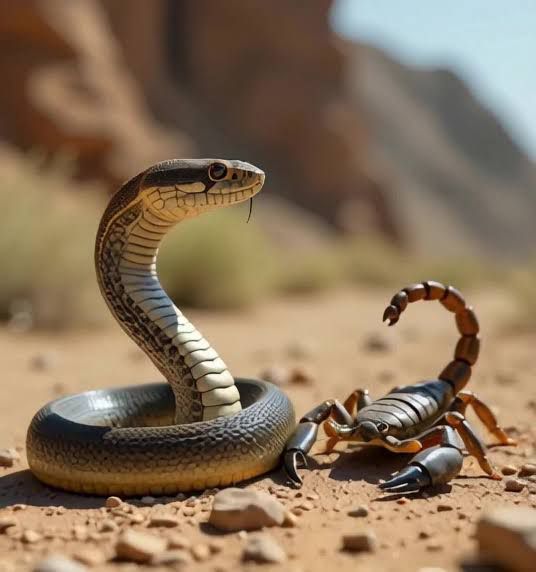
In a dramatic crackdown on the illegal wildlife trade, Nigeria Customs Service’s Murtala Muhammed Area Command (MMAC) intercepted a writhing cargo of 340 live snakes and 17 venomous scorpions at Lagos’ export terminal — sending a clear message that endangered species trafficking won’t slither past Nigerian borders unnoticed.
The seizure, made during a routine inspection at the export section, underscores Nigeria’s intensifying efforts to combat the illicit global trade in wildlife — a multi-billion-dollar black market that threatens biodiversity and fuels organized crime.
“These reptiles and arachnids were cleverly concealed, likely destined for international collectors or exotic pet markets,” said a Customs spokesperson. “But our officers’ vigilance and training in wildlife crime detection ensured these creatures didn’t vanish into the shadows.”
While species have not yet been officially confirmed, preliminary reports suggest many of the snakes may be protected under CITES (Convention on International Trade in Endangered Species), making their unauthorized export a serious violation of both Nigerian and international law.
The scorpions — small but lethally potent — raise additional red flags. “Live scorpions aren’t souvenirs,” warned Dr. Amina Bello, a conservation biologist unaffiliated with the case. “This isn’t just smuggling — it’s ecological sabotage. Removing these creatures from their habitats destabilizes ecosystems and risks introducing invasive species abroad.”
The suspects behind the shipment remain at large, but Customs officials confirm an investigation is underway, with collaboration from the Nigerian Conservation Foundation and international wildlife crime units.
Jungle-Journalist.Com reached out to wildlife advocates, who hailed the bust as a critical win. “Every animal saved is a victory,” said Tunde Ogunlana of Save Our Slitherers NGO. “But we need stiffer penalties and more resources for frontline officers. The traffickers are getting bolder — we must get smarter.”
No word yet on the fate of the rescued reptiles and arachnids, though authorities say they’re working with zoological and conservation partners to ensure humane care and, where possible, eventual reintroduction to secure habitats.
One thing’s certain: in Nigeria’s fight against wildlife crime, the snakes don’t get to call the shots.
—