

Northern Traders Decry Lack of Notice, Rights Groups Call for Probe
By Jungle-Journalist.Com
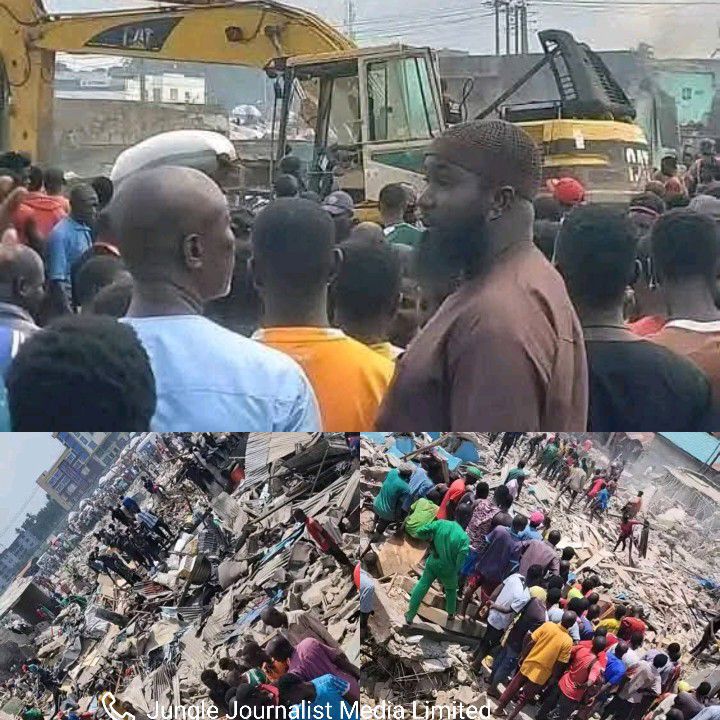
The Lagos State Government has come under heavy criticism following the demolition of Alaba Rago Market, a major commercial hub predominantly occupied by Northern traders for over five decades.
Jungle-Journalist.Com reports that the exercise, which also saw the destruction of about 40 mosques, has sparked outrage among traders who claim no prior notice was issued before the operation.
According to the government, the demolition became necessary because the market had encroached too far into the city, causing congestion and posing security and environmental challenges. However, affected traders expressed shock and frustration, alleging that the sudden action wiped out investments they had built over decades.
“We have spent over 50 years building this market. We’ve suffered to establish our businesses here. Yet, in a single day, they came and demolished everything without any notice. 40 mosques destroyed,” one of the traders lamented.
Growing Pattern of Controversial Demolitions
This latest demolition adds to a growing list of controversial actions by Lagos authorities, which have disproportionately affected non-Yoruba property owners, particularly Igbo investors. In recent years, areas such as Alaba International Market, Trade Fair Complex, and parts of Ladipo Market have witnessed demolitions that critics describe as selective and ethnically motivated. Observers argue that the state government’s urban renewal agenda often targets properties linked to non-indigenous communities without clear resettlement plans or adequate compensation.
Public Reactions and Ethnic Concerns
The demolition of Alaba Rago Market has triggered intense debates about ethnic relations, property rights, and governance transparency in Lagos. Civil society groups and community leaders are demanding explanations on why affected traders were allegedly not given proper notice or alternative trading spaces.
Sidebar: Legal Action Looms
Legal analysts suggest the Lagos State Government could face multiple lawsuits over the demolitions. Affected traders are reportedly consulting legal teams to challenge what they describe as an unconstitutional seizure of property without due process or adequate compensation.
“Section 44 of the 1999 Constitution protects citizens from compulsory acquisition of property without compensation,” a human rights lawyer told Jungle-Journalist.Com.
If proven, the government’s actions could attract court injunctions and heavy damages.
Meanwhile, authorities insist the action is in line with urban development and security objectives. The Lagos State Government is yet to release details on whether compensation or relocation packages will be provided to displaced traders.
Jungle-Journalist.Com will continue to monitor developments and report on official responses as they emerge.

Discussion about this post