

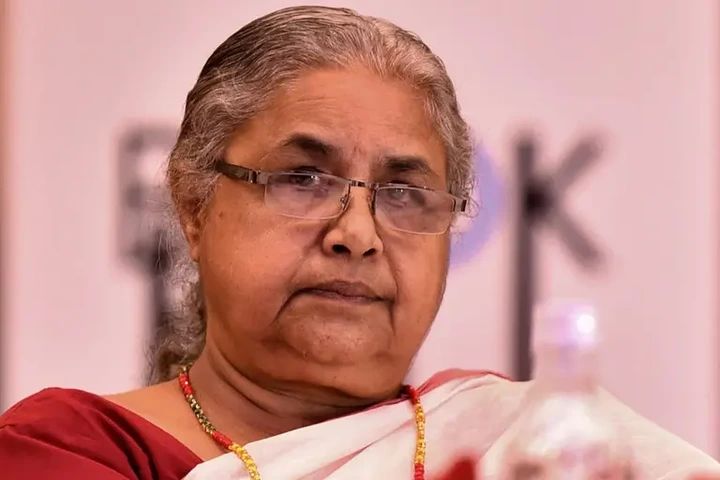
KATHMANDU, Friday, September 12, 2025 — History tilted on its axis in Nepal on Friday as Pushpa Karki, a fiery reformist and former human rights lawyer, was sworn in as the nation’s first-ever female Prime Minister, sealing the triumph of the Gen Z Revolt that dismantled Nepal’s old political guard.
The swearing-in, held at the gilded halls of the Presidential Palace in Kathmandu, was witnessed by foreign envoys, political veterans, and an overwhelming crowd of youths who gathered outside the gates, draped in flags and holding placards that read “The Future is Ours.”
Karki, 42, rose from obscurity to stardom in less than two years, propelled by a digital-savvy movement of students, unemployed graduates, and young workers who marched, occupied streets, and stormed parliament grounds demanding an end to corruption, political dynasties, and elite capture of resources.
The Gen Z Revolt, which began as online protests over rising unemployment and inflation, snowballed into Nepal’s largest youth-led uprising since the 1990 People’s Movement. It toppled Prime Minister Sher Bahadur Deuba’s fragile coalition and forced the resignation of senior party leaders, clearing the path for a new order.
In her first address as Prime Minister, Karki declared:
“This government will not belong to the politicians of yesterday. It belongs to the Nepali people — to the farmers, to the workers, to the women and youths who reclaimed our democracy with their voices and their courage.”
Analysts say her leadership could usher in sweeping reforms — from youth employment programs and digital economy expansion to land reforms and women’s political participation. Already, whispers of resistance are emerging among Nepal’s old elites, but Karki’s support base in the streets and online makes her difficult to challenge.
The symbolism of her ascent is not lost on Nepalis. In a country where women were long sidelined in political leadership, Karki’s oath has become a lightning rod for gender equality. Murals of her likeness now blanket Kathmandu’s city walls, painted with slogans like “Naya Nepal, Naya Netritwa” (New Nepal, New Leadership).
Observers call the moment the most profound political transition since the abolition of the monarchy in 2008. The Himalayan republic, once defined by kings and patriarchal strongmen, now places its future in the hands of a woman backed by the fervor of a restless new generation.

Discussion about this post