


Intro: A Land Cursed by Oil
The Niger Delta is a paradox — lush mangroves, endless creeks, and some of the richest oil reserves on earth, yet its people choke on gas flares and wade through polluted rivers that no longer yield fish. Farmlands are poisoned, jobs scarce, poverty rampant. For over a century, the people of this region have resisted what they see as the theft of their wealth and the destruction of their homeland.
From the palm oil wars of the 19th century to Ken Saro-Wiwa’s tragic hanging, and from Isaac Boro’s failed republic to the militant wars of the 2000s, the Delta has been Nigeria’s most restless frontier. Governments tried bullets, bribes, and bargains, but the struggle never truly died.
This is the story of that long war: the kings, the martyrs, the militants — and what became of them.
Pre-Oil Resistance (1895): King Koko’s Revolt
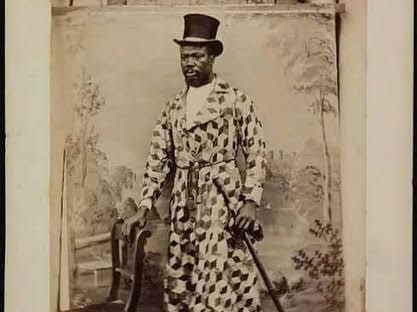
Long before crude oil was discovered, the Niger Delta was already the epicenter of struggle over resources. In 1895, King Koko of Nembe (Brass) launched a daring assault on the Royal Niger Company’s Akassa outpost, killing Europeans and destroying warehouses. His people, tired of unfair trade practices and exploitation, rose up in what has been called one of the earliest “resource control” revolts in West Africa.
The British responded with overwhelming force, shelling Nembe, burning homes, and imposing heavy fines. King Koko fled, dying in exile. But his revolt planted a seed: the Niger Delta would never accept exploitation quietly.
The Forgotten Rebel: Isaac Adaka Boro (1966)

Seventy years later, that seed sprouted in Isaac Adaka Boro, a former policeman and teacher from Bayelsa. In February 1966, Boro declared a short-lived “Niger Delta Republic”, rallying young Ijaws under his Niger Delta Volunteer Force. For twelve days, his men fought the Nigerian Army in the creeks.
Boro was captured, jailed for treason, and later pardoned by General Yakubu Gowon during the civil war. Ironically, he died fighting for Nigeria against Biafra in 1968. His dream of resource control, however, survived him — making him the first true militant icon of the oil age.
Ken Saro-Wiwa and the Ogoni Struggle (1990–1995)
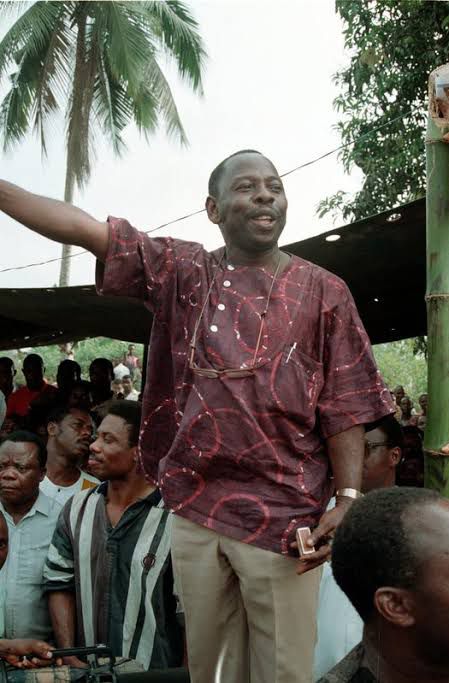
By the 1990s, crude oil had turned the Niger Delta into Nigeria’s economic lifeline — and an environmental disaster. Ken Saro-Wiwa, a writer and TV producer, rose to prominence as the voice of the Movement for the Survival of the Ogoni People (MOSOP).
Saro-Wiwa accused Shell and the Nigerian government of genocide against his people. Under his leadership, Ogonis staged peaceful protests, demanding environmental justice and a fair share of oil wealth. But in 1994, after four Ogoni chiefs were murdered during a rally, Saro-Wiwa and eight other activists were arrested.
They were tried by a special military tribunal under General Sani Abacha, accused of inciting the killings. Despite global outcry, on November 10, 1995, Saro-Wiwa and the “Ogoni Nine” were hanged in Port Harcourt. Nigeria faced international sanctions, but the message was clear: the Delta’s demands would be crushed with iron fists.
Odi and Kaiama: When the State Brought War to Villages (1998–1999)

In 1998, thousands of Ijaw youths gathered in Kaiama, Bayelsa, issuing the Kaiama Declaration, demanding resource control and withdrawal of soldiers from oil communities. The government of General Abdulsalami Abubakar and later President Olusegun Obasanjo responded with troops.
The flashpoint came in Odi, Bayelsa, in November 1999. After soldiers were ambushed and killed near the town, Obasanjo ordered a full military invasion. Armored vehicles rolled into Odi, houses were torched, civilians massacred. Human rights groups estimated hundreds, possibly thousands, were killed. Odi became a symbol of the Delta’s pain — and its fury.
Warri Wars: Ethnic Faultlines (1997–2004)
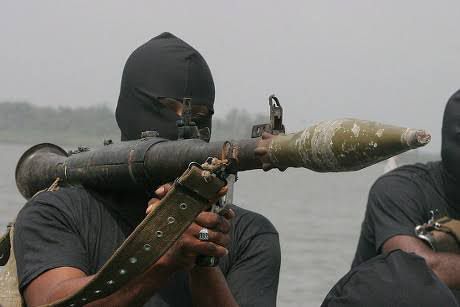
Even as Ijaws and Ogonis fought the state, internal battles ravaged the Delta. In Warri, Delta State, clashes erupted between Ijaw, Itsekiri, and Urhobo communities over land, oil royalties, and political representation.
Entire villages were razed, oil production disrupted, and companies like Chevron and Shell evacuated staff. Warri became a cauldron of ethnic warlords, each arming youths and deepening the region’s militarization. Out of this chaos would rise figures like Government Ekpemupolo (Tompolo).
The Rise of Militancy: Asari, Ateke, Tompolo (2000–2007)
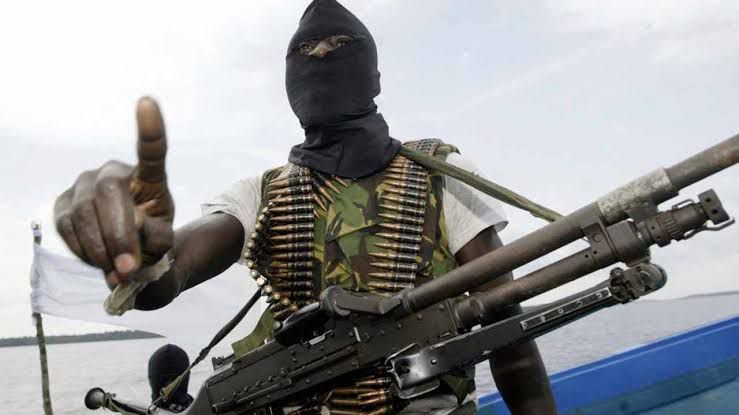
By the early 2000s, the Niger Delta had shifted from peaceful protests to armed militancy.
- Asari Dokubo (Rivers State), once a law student and student union radical, founded the Niger Delta People’s Volunteer Force (NDPVF). His men hijacked oil tankers, kidnapped expatriates, and declared “oil war” on the state. Arrested in 2005, his detention only deepened the conflict.

- Ateke Tom (Rivers State), a former Port Harcourt hustler and pickpocket, rose through cult wars to lead the Niger Delta Vigilante (NDV). His battles with Asari over control of Port Harcourt turned the city into a war zone.
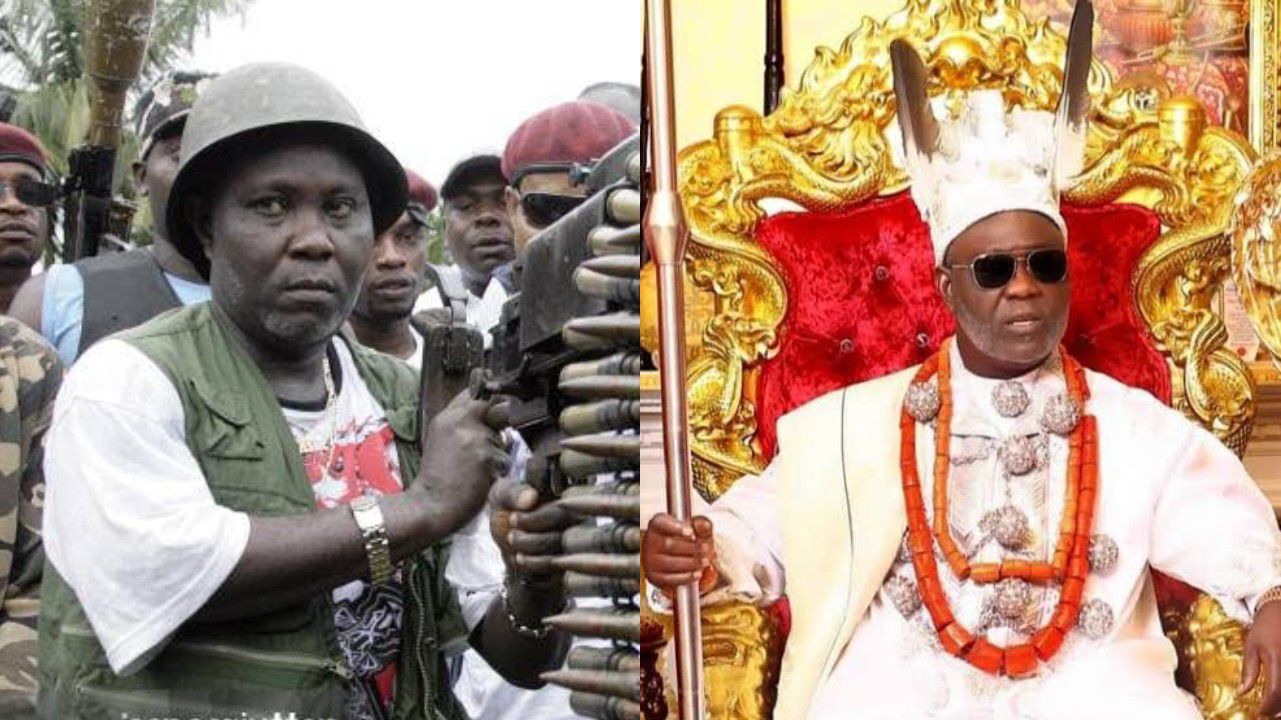
- Tompolo (Delta State), fisherman-turned-warlord, organized Ijaw militias during the Warri clashes and became MEND’s most feared commander.

These men were not just criminals; they became symbols of resistance — part Robin Hood, part gangster, part freedom fighter.
MEND and the Age of Sabotage (2006–2009)
In 2006, the militants united under the Movement for the Emancipation of the Niger Delta (MEND). Using speedboats and rocket launchers, MEND bombed pipelines, attacked oil platforms, kidnapped foreign workers, and declared “Operation Black Fury.”
Nigeria’s oil output plunged by a third. The Yar’Adua government was forced into talks, even as the military launched brutal raids on militant camps. Towns like Gbaramatu faced bombardment.
MEND’s communiqués, often emailed under pseudonyms, captured global attention, framing the Delta’s militancy as a war of survival against a corrupt state.
The Amnesty Deal (2009): Guns for Contracts

By 2009, Nigeria was bleeding billions in lost oil revenue. President Umaru Musa Yar’Adua unveiled the Amnesty Program, offering militants a pardon, monthly stipends, and training in exchange for surrendering arms.
Thousands accepted. Militants handed over AK-47s, rocket launchers, and gunboats. Oil production stabilized. For the government, it was victory; for militants, it was a golden ticket. Former warlords became contractors, businessmen, and even monarchs.
But the roots of the conflict — poverty, pollution, injustice — remained.
The Warlords Then and Now
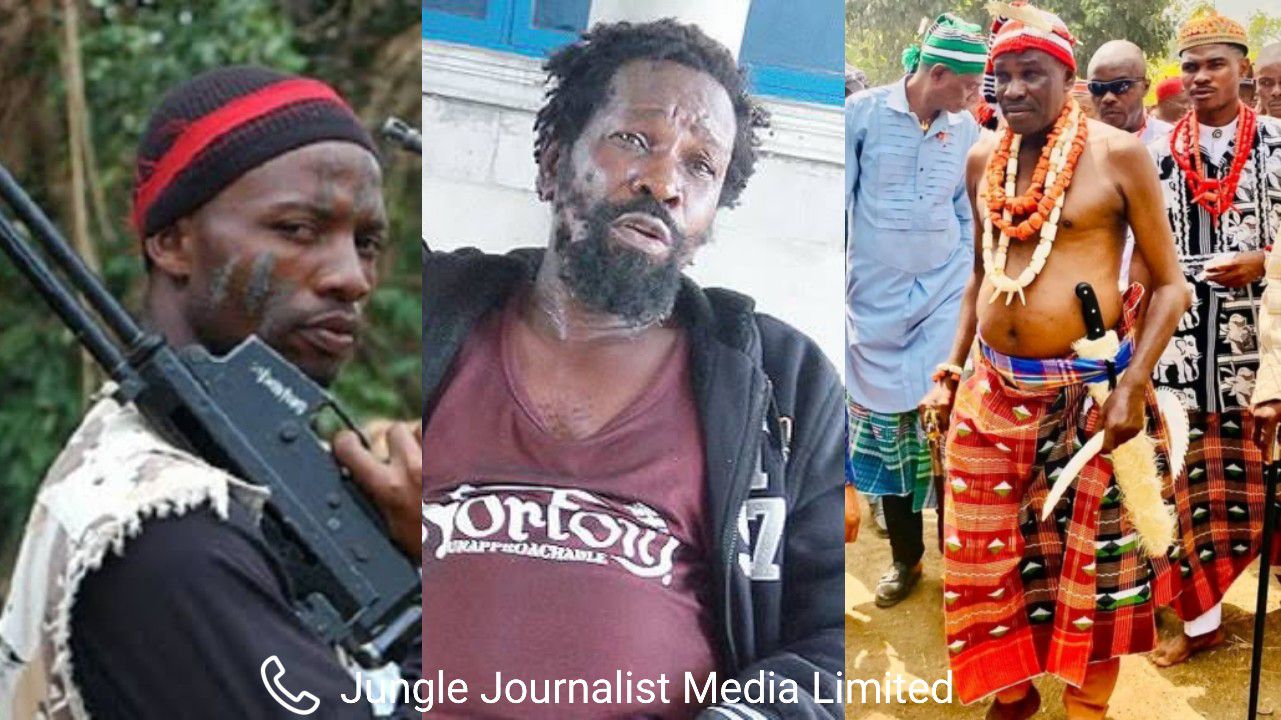
- Asari Dokubo – Once Nigeria’s most wanted man, today he sits as a Kalabari chief, runs businesses, and commands influence in politics.
- Ateke Tom – From Port Harcourt pickpocket to Amanyanabo of Okochiri Kingdom, now hosts cultural festivals in his seaside palace.
- Tompolo – Former fugitive, now CEO of Tantita Security Services, a multibillion-naira pipeline surveillance company, and chief priest of the Ijaw deity Egbesu.
- Farah Dagogo – MEND commander turned politician, later elected into the House of Representatives before facing political troubles.

- Solomon Ndigbara – Ogoni militant leader who surrendered, but faded from prominence after brushes with security forces. He is now a traditional ruler, the Gbene Mene Bua of Bori.
The Deaths and the Martyrs
Not all survived the transition.
- Soboma George, feared cultist and MEND commander, was betrayed and shot dead by his own men in Port Harcourt, 2010.
- John Togo, leader of the Niger Delta Liberation Force, rejected amnesty. In 2011, his Ayakoromo camp was bombarded by air force jets. Captured with fatal injuries, he died in custody, his followers insisting he was executed.

- Others disappeared into obscurity, their names fading with the smoke of the battles they fought.
The Overlooked Frontiers: Ondo & Edo
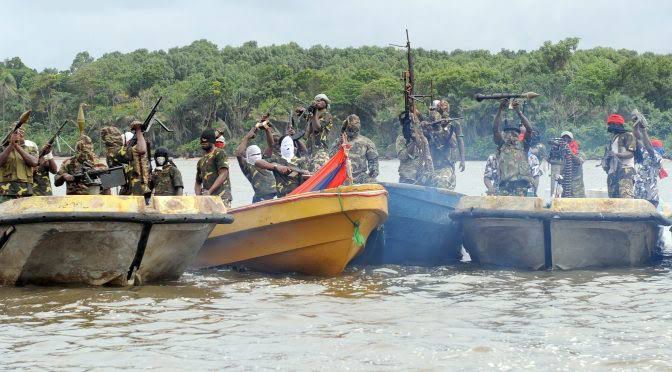
Beyond Bayelsa, Rivers, and Delta, the oil-bearing creeks of Ondo and Edo States also harbored agitation—though on a smaller scale.
Ondo:
The Arogbo Ijaw and Ilaje youths operated militant camps such as the United Sea-wolf Avengers, Awaja Camp, and Forest Soldiers. Leaders like High Chief Bibopre Ajube, once a MEND commander, laid down arms during the 2009 Amnesty. Today, Ajube runs Gallery Security Services, a pipeline protection firm, and has become a community stabilizer despite once being the subject of a military manhunt. Yet discontent lingers: in 2025, Ilaje ex-militants protested exclusion from reintegration benefits, accusing the government of betrayal after disarming.
Edo:
Agitation was quieter but real in the riverine Ijaw and Itsekiri settlements of Edo South, including Gelegele and Olodiama. Local youths engaged in oil bunkering and sabotage, often in alliance with Delta militants. Though less notorious nationally, they were included in the Amnesty Programme. Many have since returned to fishing, trading, or community security roles, though some remain tied to illicit bunkering networks.
Together, their story underscores that the Niger Delta struggle was not confined to the headline states, but stretched across the entire oil belt.
The Present Niger Delta: Pipelines, Palaces, and the Price of Peace
Today, the guns are largely silent. Instead of hijacking oil tankers, ex-militants patrol pipelines for billion-naira government contracts. Instead of living in swamps, they live in palaces.
But for the ordinary Niger Delta villager, little has changed. Oil spills still poison farmlands. Gas flares still light up the night sky. Youth unemployment remains high. Protests still flare up in Ogoni, Bayelsa, and Delta communities.
The warlords won for themselves — kingships, contracts, comfort. But the struggle of the Niger Delta people — the very cause that birthed the militancy — remains unresolved.
Conclusion: A Struggle Without End?

From King Koko in 1895 to Ken Saro-Wiwa in 1995 to Tompolo in 2025, the Niger Delta story is one of resistance and survival. Every government tried force, every warlord eventually took a deal, but the land still bleeds oil and its people still cry out for justice.
The creeks are quiet for now. But history suggests they may not remain so forever.
✍🏾 Jungle-Journalist.Com

Discussion about this post